West End Lane rubbish removal guide for West Hampstead
Posted on 29/05/2026
West End Lane Rubbish Removal Guide for West Hampstead
If you live, work, or manage property near West End Lane, rubbish has a funny way of building up faster than you expect. One minute it's a couple of black bags and an old chair by the door; the next, you're staring at a hallway full of flat-pack packaging, broken bits, garden cuttings, or the contents of a room that needs clearing by Friday. This West End Lane rubbish removal guide for West Hampstead is here to make that situation feel a lot less messy.
Whether you need a one-off rubbish collection, regular waste removal, or help with heavier clearance jobs, the key is choosing the right approach for the type of waste you have. In a busy part of North West London, that means thinking about access, timing, sorting, recycling, and a few practical rules that people often overlook. The good news? With the right plan, it's usually simpler than it looks.
Below, you'll find a clear, local-friendly guide that explains how rubbish removal works, what it suits best, how to avoid common mistakes, and when it makes sense to use a specialist service such as waste removal in West Hampstead or rubbish collection in West Hampstead. There's also guidance for builders' waste, garden waste, office clearances, and house clearances, because let's face it, real life rarely stays in one neat category.
Why West End Lane rubbish removal guide for West Hampstead Matters
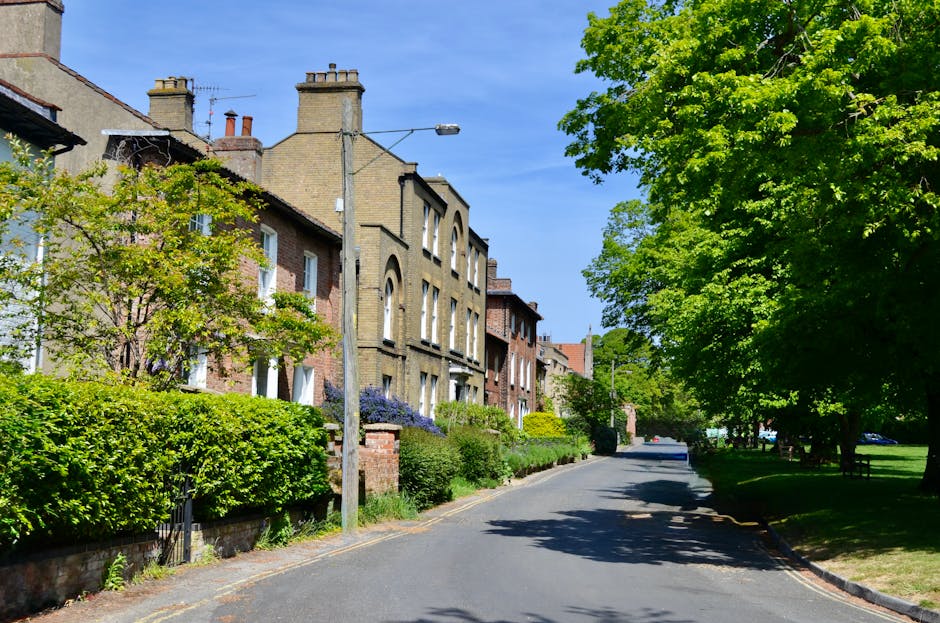
West End Lane sits in one of those London neighbourhoods where space is at a premium and schedules are tight. That combination makes rubbish removal feel more urgent than it might elsewhere. If waste is left too long, it can block hallways, affect kerb appeal, attract complaints from neighbours, and turn a small task into a much bigger one.
This matters for a few reasons. First, properties around West Hampstead often need tidy, efficient clear-outs: flats with limited storage, rented homes between tenancies, small offices, and homes that are being renovated or refreshed. Second, many residents simply do not have the vehicle space, lifting capacity, or time to transport waste themselves. Third, different waste streams need different handling. Garden clippings are not the same as plasterboard, and a broken wardrobe is not the same as a bag of mixed household rubbish.
There's also the simple issue of convenience. If you're balancing work, family, and the usual London chaos, you may need a solution that turns up when it says it will, loads quickly, and takes responsibility for sorting what can be reused or recycled. That's why local services such as the services overview and about us page can be useful starting points when you're trying to work out what kind of help you actually need.
Expert summary: rubbish removal in West Hampstead is rarely just about "getting rid of stuff"; it is about matching the right method to the right waste, at the right time, with minimal disruption. That small bit of planning saves money, effort, and a surprising amount of stress.
How West End Lane rubbish removal guide for West Hampstead Works
Most rubbish removal jobs follow a fairly straightforward pattern, though the details change depending on the waste type and access. In simple terms, you identify what needs removing, choose the service type, get a quote or estimate, arrange a collection slot, and have the items taken away for sorting, transport, and disposal.
For example, a tenant moving out might need a quick mixed-rubbish collection after clearing a flat. A homeowner may need garden waste taken away after a weekend cutback. A landlord could need a full flat clearance between occupiers. A small business might want office furniture removed after a refit. Same broad problem, different answer. That's why a one-size-fits-all approach can be clumsy.
In practice, a good service will ask what you have, how much of it there is, whether it is bagged or loose, and whether there are any awkward items like mattresses, fridges, paint, or rubble. If the job is larger or more complex, it may make more sense to use a dedicated clearance route such as house clearance in West Hampstead or office clearance in West Hampstead. That helps avoid underestimating the job. And underestimation, to be fair, is where a lot of rubbish jobs go sideways.
Collection day itself should be simple. Items are usually brought to an accessible point, lifted into the vehicle, and separated for recycling, reuse, or disposal. Good operators keep the process tidy, do the heavy lifting safely, and leave the area swept and clear. It should feel calm, not chaotic.
Key Benefits and Practical Advantages
Using a proper rubbish removal service near West End Lane brings a few obvious benefits, plus a few that are easy to miss until you've done without them.
- Time saved: No hiring vans, no repeated trips, no queuing at a disposal point.
- Less strain: Heavy lifting is handled for you, which matters if you're dealing with awkward furniture or bagged waste up several flights of stairs.
- Better sorting: Mixed loads can be separated more carefully for recycling or reuse.
- Cleaner results: A well-run collection leaves your space usable again, rather than half-cleared.
- More flexibility: You can clear small loads, bulky items, or larger project waste without overcommitting.
There's also a practical property angle. If you are selling, letting, refurbishing, or simply trying to reset a space, removing rubbish quickly improves the feel of the place immediately. A room with bags, cardboard, and old furniture can feel smaller and more stressful than it really is. Clear it, and suddenly the same room breathes again. It's a small thing, but it changes everything.
For outdoor spaces, the same principle applies. Seasonal cuttings, broken planters, fence offcuts, and general green waste are easier to manage through a focused service such as garden waste removal in West Hampstead. If your project involves renovation debris, it may be smarter to use builders' waste disposal in West Hampstead rather than mixing it with household waste.
Who This Is For and When It Makes Sense
This kind of rubbish removal is useful for a lot of people, not just those doing a big clear-out. In West Hampstead, the most common situations tend to be very ordinary, which is exactly why they catch people out.
You may need help if you are:
- moving home or between tenancies
- dealing with post-renovation mess
- clearing a loft, spare room, basement, or shed
- replacing old furniture or appliances
- running a small office or studio that needs an equipment refresh
- tidying a garden after pruning or landscaping
- preparing a property for sale or rental
Sometimes it is obvious that you need help. The pile is large, the deadline is close, and you don't want to spend your Saturday doing three van-loads yourself. Other times the decision is subtler. For example, you might only have a few items, but they are heavy, awkward, or impossible to remove without damaging walls, stair rails, or flooring. That is still a strong case for calling in support.
People often underestimate office and commercial clear-outs too. Old desks, filing cabinets, monitors, and packaging can take over a workspace very quickly. If that sounds familiar, it may be worth looking at office clearance in West Hampstead rather than trying to improvise one item at a time.
And if you're not sure whether your job is "rubbish removal", "waste removal", or "clearance", that's normal. The difference is mostly about scale and waste type. The right provider should help you figure it out without fuss.
Step-by-Step Guidance
Here's a practical way to approach rubbish removal near West End Lane without getting overwhelmed.
- Sort the waste type. Separate household rubbish, furniture, electrical items, garden waste, and construction debris if you can.
- Decide what stays and what goes. Be a little ruthless. If you haven't used it in years and it's broken, it probably doesn't need a second chance.
- Measure or photograph the load. A few clear photos often help when asking for a quote.
- Check access. Think about stairs, narrow hallways, parking, and whether items need to come from the front or rear of the property.
- Choose the right service. A small load may suit a simple collection, while a full property may need clearance support.
- Ask about recycling and disposal. A responsible provider should be able to explain how they handle different materials.
- Arrange a time that fits the building and neighbours. This matters more than people think, especially in shared blocks.
- Prepare the items. Bag loose waste, empty drawers if requested, and keep items accessible if possible.
A quick example: imagine you are clearing a one-bedroom flat near West End Lane after a move. You have a sofa, a broken chest of drawers, six sacks of mixed rubbish, and a few cardboard boxes. That is probably not a house clearance, but it is more than a simple bin job. A targeted rubbish collection or waste removal service would likely be the neatest fit.
If you want to compare service types first, the waste removal page is a sensible place to understand the broader options before booking anything.
Expert Tips for Better Results
Small choices make a big difference here. A bit of preparation can cut delays, reduce costs, and make the whole thing feel smoother.
- Group similar items together. Furniture, green waste, and general rubbish are easier to assess when they are not mixed into one unpredictable heap.
- Be honest about volume. Overpromising on a "small load" usually causes problems when the team arrives and finds three times as much.
- Take photos in daylight. It sounds trivial, but a clear picture of the actual load helps avoid confusion.
- Clear access paths first. A hallway full of shoes, bikes, and spare storage boxes slows everything down.
- Separate anything you want to keep. Once the work starts, items can look oddly similar. Slightly embarrassing, but true.
- Plan around neighbours and parking. In a place like West Hampstead, timing and access can make the difference between a smooth job and a stressful one.
Another good habit is to think about the final destination of the waste before collection day. Reusable furniture, metal, green waste, cardboard, and mixed rubbish should not all be treated the same. Even if you are not handling the sorting yourself, knowing what you've got helps you ask better questions.
And if a job looks like it may contain a mix of household and renovation waste, be upfront about that. Mixed loads are manageable, but only when the service knows what it is dealing with. No drama, no surprises.
Common Mistakes to Avoid
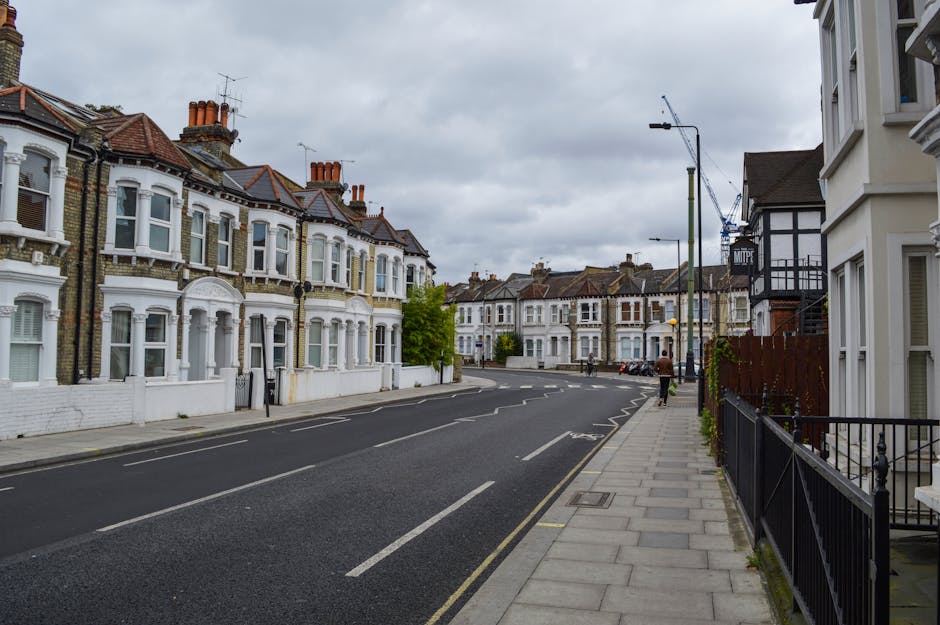
Most rubbish removal headaches come from a handful of avoidable mistakes. Nothing exotic. Just ordinary oversights that add cost or delay.
- Leaving the sort-out too late: last-minute piles are harder to assess and often more expensive to remove.
- Mixing waste types blindly: builders' rubble, electrical items, and green waste may need different handling.
- Ignoring access issues: narrow stairs, parking restrictions, and shared entrances can change the plan.
- Assuming everything can go together: it usually cannot, or at least not efficiently.
- Forgetting to check what the service includes: loading, labour, disposal, and recycling should all be clear.
- Choosing purely on price: the cheapest quote can be a false bargain if it excludes key work or creates delays.
One thing people often forget is the emotional side of a clear-out. A loft full of old things or a room packed with forgotten furniture can feel heavier than it looks. You start with a practical task and end up mentally drained by all the decisions. That is one reason professional help can be worth it. It shortens the decision chain.
If a job involves more than standard rubbish, you may also want to look at service-specific support such as house clearance in West Hampstead or builders' waste disposal in West Hampstead so that you are not forcing a square peg into a round hole.
Tools, Resources and Recommendations
You do not need a shed full of specialist kit to manage rubbish removal, but a few simple tools and habits help a lot.
Useful basics:
- sturdy bin bags or rubble sacks for loose items
- gloves for handling sharp or dusty waste
- cardboard boxes for small loose pieces
- labels or marker pen for keeping "keep" and "remove" items separate
- a phone camera to document what needs collecting
- a tape measure if you are dealing with bulky furniture
Recommended planning habit: make a rough inventory before you call. It does not need to be perfect. Just list the main categories, like two wardrobes, one mattress, eight bags of mixed waste, and a pile of garden cuttings. That gives the provider something concrete to work from.
For people comparing service scope and expectations, the pages on pricing and quotes and recycling and sustainability are especially useful. They help you think beyond the headline price and ask better questions about how waste is handled.
If you are dealing with a bigger property project and need general support rather than a one-off collection, it can also help to review the wider range of services. Sometimes the best option is not the most obvious one at first glance.
Law, Compliance, Standards, or Best Practice
Waste removal in the UK sits within a framework of common-sense best practice and legal responsibility. You do not need to become an expert in regulations, but you should know enough to avoid risky shortcuts.
In plain English: waste should be handled by a responsible operator, transported properly, and disposed of or recycled through appropriate channels. If someone offers to remove rubbish suspiciously cheaply and gives you no proper paperwork, that is worth a pause. Very worth it.
For householders, landlords, and businesses, the key practical point is that waste should not be fly-tipped or handed to someone who may dump it illegally. If waste is mishandled after leaving your property, you do not want to be part of that chain. Good practice means checking that the provider is transparent about how waste is collected, managed, and documented.
It is also sensible to think about safety. Heavy lifting, sharp edges, dust, and awkward stairs can all create avoidable risk. Responsible providers should have sensible procedures for moving items safely and protecting people and property during the job. If you want a deeper sense of that approach, the insurance and safety page is worth reading before you book.
Best-practice takeaway: choose a service that treats waste removal as a managed process, not just a van and a pair of hands. That difference matters more than most people realise.
Options, Methods, or Comparison Table
Different waste situations call for different methods. If you match the job properly, you usually save time and avoid a lot of frustration.
| Method | Best for | Main advantage | Possible drawback |
|---|---|---|---|
| Bagged rubbish collection | Small mixed household waste | Quick and simple | Not ideal for bulky items |
| Bulky item removal | Furniture, mattresses, appliances | Handles awkward lifting | May need access planning |
| House clearance | Whole rooms, flats, or homes | Good for larger resets | More involved than a small collection |
| Office clearance | Desks, chairs, filing, equipment | Efficient for business moves | Needs careful planning around working hours |
| Garden waste removal | Cuttings, branches, soil-covered green waste | Stops outdoor debris building up | Can be underestimated after big pruning jobs |
| Builders' waste disposal | Renovation debris, rubble, packaging | Better suited to construction waste | Needs clear item description |
The table above is the simple version, of course. Real jobs are often mixed. You may have household rubbish plus garden waste, or old office furniture plus packaging from a fit-out. In those cases, the smartest move is to describe everything accurately and let the service guide you towards the right option.
Case Study or Real-World Example
Here's a realistic example based on the kind of job many West Hampstead residents recognise. A couple in a first-floor flat near West End Lane had been living with a slow-growing pile of unwanted items after redecorating: an old sofa, a coffee table, several bags of general rubbish, and some cardboard and offcuts from the weekend's DIY effort. Nothing dramatic. Just enough to make the flat feel cramped and slightly chaotic.
They first considered doing it themselves. Then they looked at the stairs, the parking, the limited free time, and the awkward size of the sofa. At that point the "we'll just do it ourselves" plan started to look a bit romantic, to be fair.
Instead, they grouped the waste by type, took a few photos, checked access, and arranged a collection with a local waste removal service. The job was loaded quickly, the space was cleared, and the flat felt different the same evening. Not magically bigger, obviously, but calmer. Cleaner. Easier to live in.
That kind of result is common because the value is not just removal. It is reset. A good rubbish removal job clears visual clutter, lowers stress, and gives you the feeling that a project has finally moved forward. If you have ever stood in a room and thought, "Right, that's one thing off the list," you'll know exactly what that means.
Practical Checklist
Use this checklist before collection day so the job runs smoothly.
- Identify the waste type: household, garden, office, builders', or mixed
- Separate anything you want to keep
- Take photos of bulky or unusual items
- Estimate the number of bags, items, or cubic space
- Check stairs, lift access, parking, and entry points
- Remove personal items from drawers, cabinets, and desks if needed
- Keep hazardous or restricted items separate and ask about them first
- Confirm the booking time and any site instructions
- Ask how recycling and disposal are handled
- Make sure the load is ready and accessible on the day
Quick reminder: if the job feels bigger than you expected, that usually means it is. It is better to adjust early than to improvise late.
Conclusion
Rubbish removal on or around West End Lane is really about making a busy London life easier to manage. Whether you are clearing a flat, tidying a garden, refreshing an office, or getting ready for a move, the most effective solution is the one that fits the waste, the access, and the timing without creating extra work for you.
If you take one thing from this guide, let it be this: sort early, be clear about what you have, and choose the right service for the job rather than the cheapest or quickest-sounding option. That approach almost always gives you a cleaner result and a calmer day.
If you are ready to move from planning to action, it may help to explore the wider service pages, compare what is included, and think about the most efficient way to clear the space. A little preparation goes a long way, and honestly, it usually pays off the same day.
Get a free quote today and see how much you can save.
And if you're standing there looking at a pile of stuff you no longer want, don't overthink it. Start with the first bag, the first box, the first decision. That's how these jobs begin, and usually that's enough.

Copyright © . House Clearance West Hampstead. All Rights Reserved.