What to know about access issues for West Hampstead rubbish
Posted on 02/08/2026
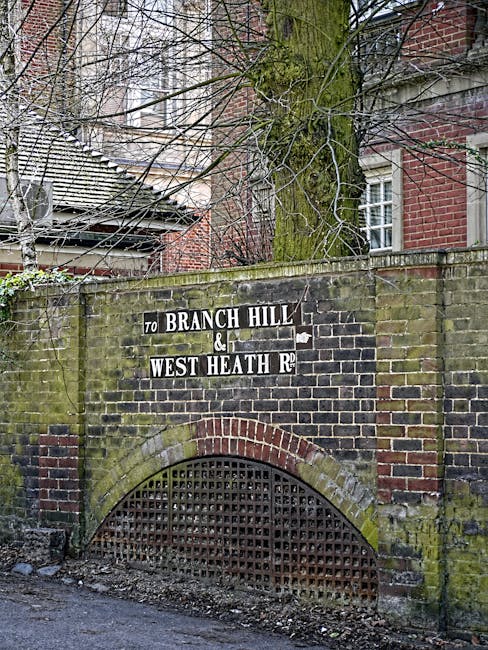
If you have ever tried to move bulky rubbish out of a basement flat, a top-floor conversion, or a cramped mews-style street, you already know the problem: the rubbish is there, the service is available, but the access is the bit that can slow everything down. That is exactly why understanding access issues for West Hampstead rubbish matters. In West Hampstead, space can be tight, parking can be awkward, and stairwells are often narrow or shared. A good collection is not just about lifting waste away; it is about planning the route, the timing, and the method so the job can actually be done safely and efficiently.
This guide explains the real-world access issues people run into, how rubbish collection is usually planned around them, and what you can do to avoid delays, extra hassle, or frustrating last-minute surprises. If you are comparing options, you may also find it useful to look at the wider services overview and the practical guidance in this West End Lane rubbish removal guide.
Why access issues matter
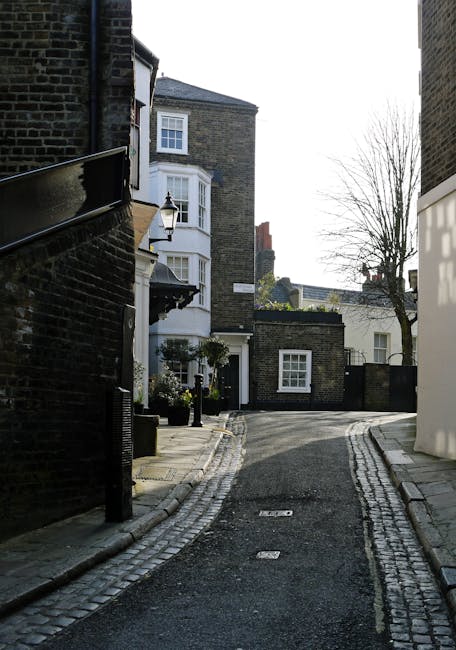
Access sounds like a small detail, but in rubbish collection it is often the detail that decides whether a job runs smoothly or becomes a bit of a headache. West Hampstead has plenty of properties where the front door is not directly beside a vehicle-friendly road, or where the only available parking is time-limited, shared, or just plain full. That affects how far items need to be carried, whether a team can use a larger vehicle, and how long the clearance may take.
It also affects safety. A straightforward lift out of a ground-floor hallway is very different from carrying a broken wardrobe down a winding stairwell while trying not to scratch the walls or knock into other residents. To be fair, this is where the real planning happens. If the access is tight, the job often needs more hands, more time, or a different approach altogether.
There is also the neighbour factor. In shared buildings, hallways, entry codes, gates, and concierge arrangements can create delays if nobody has checked them in advance. A collection team may arrive on time and still lose ten minutes waiting at the entrance because someone has not unlocked a side gate. That may not sound dramatic, but when you are dealing with a narrow collection window, it matters.
For local homeowners, landlords, and tradespeople, access planning is really about avoiding friction. If you are doing a property refresh or clearing after a move, it can be worth reading related local material such as Hampstead as a residential choice or the best of both worlds in Hampstead to get a feel for the sort of housing stock and layout patterns that often show up across nearby north-west London streets.
How rubbish access is handled
Most professional waste collections begin with a simple but important question: how do we get the rubbish from where it is now to the vehicle? That sounds obvious, yet the answer changes from property to property. A team will usually consider where the waste is stored, how heavy or awkward it is, whether there are stairs, and whether the vehicle can park close enough to make the job efficient.
In practice, access planning often involves a short description from the customer and, in some cases, photos. Those details help identify whether the job is a quick load-and-go or something that needs a bit more coordination. If the waste is in a loft, basement, or rear garden, the route matters as much as the pile itself. A box of books is easy enough. A smashed sofa frame, not so much.
Some collections are arranged around small vans for tighter streets, while others need more than one crew member because items must be carried a longer distance. If access is especially awkward, the collection may be broken into stages: one person or pair moving items to the front, another loading at the vehicle. That is not fancy, just sensible. And in a city like London, sensible usually wins.
The same thinking applies across different types of waste. A house clearance in a cluttered flat, an office clearance from a building with lift restrictions, or builders waste disposal in West Hampstead all need different access checks. Dust sheets, lift protection, and route protection can all become part of the job when hallways are tight or surfaces are easily damaged.
Key benefits and practical advantages
Getting access right does more than save time. It changes the whole experience of the job. A clear access plan means fewer delays, less lifting stress, lower risk of accidental damage, and a better chance of completing the collection in one visit. Honestly, that last part is underrated. Nobody wants a half-finished clear-out because a sofa could not make it through a doorway that looked bigger in the photos.
There is also a cost angle. When access is clear, teams can estimate labour and vehicle needs more accurately. That does not mean every job becomes cheaper automatically, but it does reduce the chance of messy surprises. It also helps avoid misunderstandings over what is included. If you are comparing quotes, it is worth looking closely at the wording on pricing and quotes and, if needed, checking the detail in avoid hidden rubbish removal charges in West Hampstead.
Another benefit is neighbour-friendly working. In a shared block, a well-planned collection reduces hallway congestion and keeps disruption low. That matters more than people often realise. A lot of the stress in rubbish removal is not the rubbish itself; it is the feeling that the job is getting in everyone's way. Good access planning keeps the fuss down.
- Faster loading and fewer delays
- Lower risk of damage to walls, floors, or doors
- More accurate time and labour planning
- Better neighbour and building management relations
- Improved chance of same-day completion
Who this is for and when it makes sense
Access issues are relevant to almost anyone with rubbish to remove, but they matter most in a few common situations. If your property sits on a busy street, has permit-only parking, or sits behind a gate or courtyard, access may need extra thought. The same goes for basement flats, upper-floor apartments, maisonettes, and converted Victorian properties where staircases can be narrow and turns are awkward.
Landlords and letting agents often need this sorted quickly between tenancies. Builders and tradespeople run into access problems when materials need clearing from a rear yard or side return. Offices can be tricky too, especially where lifts are shared, loading bays are limited, or building managers have strict time windows. If that sounds familiar, a related read on office clearance in West Hampstead may be useful.
Homeowners usually notice access problems at the worst possible moment: moving day, end-of-tenancy day, or when a large item is already half out of the room. Sound familiar? That is normal. The good news is that a few practical checks beforehand can save a lot of sweating later.
For local context, West Hampstead has a mix of period homes, modern flats, and busy commercial stretches. That means rubbish access is rarely one-size-fits-all. If you are deciding whether a clearance company is a good fit, the most useful question is not just "Do you collect this?" but "How will you get to it?"
Step-by-step guidance
Here is the simplest way to handle access issues without overcomplicating things.
- Walk the route first. Check the path from the rubbish to the street. Look for stairs, tight corners, low ceilings, locked gates, and obstacles like bicycles or bins.
- Measure the awkward bits. If you have a sofa, mattress, or wardrobe, compare its size to doors, landings, and stair turns. It only takes a minute.
- Check parking and stopping options. Can a vehicle get close enough for loading? Is there a narrow road, a school run bottleneck, or a loading restriction at certain times?
- Tell the collection team the tricky parts. If there is a basement, a lift that does not go to the lower floor, or a rear entrance through a shared garden, say so early.
- Prepare the space. Move smaller items out of the way, unlock gates, and clear the hall if possible. Little things, big difference.
- Confirm what happens if access changes. Sometimes building rules shift or parking is unavailable. It helps to know in advance what the fallback plan is.
A practical note: if you are clearing rubbish from outside the property, or from a garden that opens onto a narrow side passage, the access route can be more important than the volume of waste. A small amount of heavy waste in a difficult spot may take longer than a larger but easier pile. That catches people out quite often.
If you are dealing with mixed waste after refurbishment or landscaping, the same logic applies to garden waste removal in West Hampstead and similar jobs. Branches, sacks, and soil bags are manageable, but only if the path out is workable.
Expert tips for better results
In our experience, the best access jobs are the ones that are slightly over-prepared rather than under-prepared. You do not need a military operation. Just a few smart habits.
Take photos from the tricky points. A hallway corner, the entrance steps, the back gate, or the exact stairwell turn can tell more than a long explanation. A photo is often worth several "it should be fine" messages. And, well, should be fine is not a plan.
Think about timing. Early morning collections may be easier on busy roads, but building access may not open until later. Midday may mean heavier traffic. If the road is known for parking pressure, plan around it rather than hoping for luck.
Separate the load in advance. If you can move lighter items closer to the exit, do it. The team can spend time lifting, not searching. That little bit of organisation often saves more time than people expect.
Tell someone about fragile areas. If the entrance has freshly painted walls, polished floors, or glass doors, mention it. A good team will want to protect them. That is basic professionalism, not a bonus.
Be honest about awkward items. Oversized wardrobes, broken appliances, and old desks have a habit of revealing their awkwardness at the exact wrong moment. Better to name them upfront.
Ask about method, not just availability. A same-day slot sounds great, but can the team actually access the waste without a nightmare? A quick call can save you from a rushed, messy arrival later in the day.
If you want to see how access concerns fit into broader collection planning, rubbish collection in West Hampstead is a useful related page to explore alongside this guide.

Common mistakes to avoid
The biggest mistake is assuming access will sort itself out once the crew arrives. It usually does not. If the vehicle cannot stop nearby, if the hallway is locked, or if the item will not turn the corner, the problem is still there. Just now with more people standing around it.
Another common error is underestimating shared-building rules. In some blocks, you may need to reserve lift time, protect common areas, or avoid certain hours. If you forget, the result can be delay, complaint, or both. Not ideal.
People also forget to mention rear access. A front door might be easy, while the actual rubbish sits in a back garden behind two gates and a narrow path. That difference matters a lot. So does the height of the step at the entrance, even if it looks minor. One step with a heavy item can be the thing that slows everything down.
Other mistakes include:
- Failing to check parking restrictions before the day
- Leaving bins, bikes, or furniture in the access route
- Not telling anyone about broken lifts or partial lift access
- Assuming large items will fit through standard doorways without measuring
- Choosing the cheapest option without asking how the collection will be handled
That last one comes up a lot. Cheap is only cheap if the job can actually be completed cleanly. If you are comparing options near the station or along busier roads, a guide like NW6 cheap rubbish collection options near West Hampstead station can help frame the decision more realistically.
Tools, resources and recommendations
You do not need much to plan access well. A tape measure, a few photos, and a bit of common sense go a long way. A door width, stair width, landing space, and the distance from the rubbish to the vehicle are the main figures worth checking if the load is large or awkward.
If the property is a flat or shared building, it also helps to have any access codes, concierge instructions, or timing restrictions written down. Half-remembered instructions on a phone note are better than nothing, but a tidy message is better still.
For larger jobs, a few extra resources can help:
- Building rules or management notes for shared access times
- Parking arrangements if the road is tight or permit-controlled
- Item photos to show size, condition, and awkward angles
- A short route description from storage point to street level
- Written confirmation of any special handling needs
It can also help to review company policies before booking. Pages such as insurance and safety, terms and conditions, and the accessibility statement give you a clearer sense of how a provider approaches practical and customer-facing access needs.
For people keen on recycling and responsible disposal, it is also sensible to think about what happens after collection, not just before it. A quick look at recycling and sustainability can be reassuring if you want the work done in a more considered way.
Law, compliance and best practice
Access issues are not only about convenience; they also touch on safety, property care, and the practical side of legal responsibility. While this article is not legal advice, a few general UK best-practice points are worth keeping in mind.
First, waste must be handled by someone who is authorised to carry it. If you are hiring a collection service, it is sensible to ask how waste is managed, where it goes, and how the company approaches recycling and disposal. Good providers are usually happy to explain that in plain English. If the answer feels vague, that is a warning sign.
Second, shared spaces should be treated carefully. Hallways, stairwells, lifts, and common entrances should be left as they were found, aside from normal wear from careful movement. That means protecting surfaces where needed and avoiding obstruction of fire routes or exits.
Third, parking and loading should follow the relevant local restrictions. In West Hampstead, that can mean permit zones, yellow lines, time limits, and traffic-sensitive streets. Even if the collection itself is simple, the access route may not be. So yes, the boring bit matters.
Finally, if you are clearing from a commercial building or a site with contractors, access should fit with the site's own safety rules. That is especially true for building work, where clearance teams may need to coordinate with trades already on site. For more on that kind of job, this piece on waste removal for traders is a relevant local reference.
Expert summary: The best rubbish collection jobs are usually the ones where access has been thought through before the team arrives. Measure the route, flag the awkward bits, and plan the parking. Simple, but very effective.
Options, methods, or comparison table
Different access setups call for different collection methods. Here is a simple comparison to help you think it through.
| Access situation | Typical challenge | Best approach | What to prepare |
|---|---|---|---|
| Ground-floor flat with roadside parking | Usually straightforward, but parking may still be tight | Direct load from the property to the vehicle | Clear route, parking details, item list |
| Basement or lower-ground property | Stairs, narrow turns, limited light | Extra care, more labour, possibly more time | Photos of stairwell, item sizes, access confirmation |
| Shared block with lift access | Lift timing, communal rules, hallway protection | Planned movement around building restrictions | Lift size, booking times, management notes |
| Rear garden or side access only | Narrow path, gates, obstacles | Route clearing before collection | Gate keys, path width, obstacle removal |
| Busy road or permit-only street | Vehicle access and loading constraints | Short, well-timed loading window | Parking plan, time restrictions, local instructions |
If your job involves mixed waste, household clutter, or a larger clear-out, it may also be worth comparing waste removal in West Hampstead with house clearance in West Hampstead to see which type of service is the better fit for the access situation.
Case study or real-world example
Imagine a typical West Hampstead flat: second floor, shared entrance, narrow staircase, and one sizeable wardrobe that has been sitting in the bedroom for years. The wardrobe is only one item, so it seems simple enough. But the hallway turns sharply at the first landing, and the front street has patchy parking by late morning. If nobody checks these details, the whole job becomes awkward quickly.
In a well-planned version of that same job, the customer sends a couple of photos of the stairwell and the wardrobe dimensions the day before. The collection team arrives early, when the road is a little quieter. The hallway is cleared, the gate is unlocked, and a neighbour has been told there will be brief movement through the common area. The wardrobe still needs careful handling, but it is moved safely, with no drama and no scuffed paintwork.
That is the pattern you see again and again. The rubbish is not usually the problem. The route is.
For property owners or landlords preparing a sale or letting handover, that kind of planning can be part of a broader move-ready process. If that is your situation, it may be useful to read about real estate purchases in Hampstead or top tips for real estate investment in Hampstead, especially if you are thinking about how presentation, access, and timing all affect property value and turnover.
Practical checklist
Use this quick checklist before booking a rubbish collection where access may be tricky:
- Have I checked the exact route from waste to vehicle?
- Do I know whether there are stairs, gates, or narrow turns?
- Can a vehicle stop close enough to load safely?
- Have I checked parking or loading restrictions?
- Do I need to reserve lift time or notify building management?
- Have I measured oversized items like sofas, wardrobes, or beds?
- Have I sent photos of any awkward access points?
- Are hallways and entrances clear of clutter?
- Do I know if fragile areas need protection?
- Have I confirmed any special timing windows or site rules?
If you can tick most of those off, you are in good shape. And if not, that is fine too. Better to spot the issue now than on the doorstep with a sofa that refuses to turn. Happens more than people admit.
Conclusion
Access issues for West Hampstead rubbish are really about planning the practical details that sit behind a successful collection. Tight stairwells, restricted parking, shared entrances, basement layouts, and rear-garden access all shape how waste is removed and how smoothly the day goes. Once you understand the route, the timing, and the building constraints, the job becomes far easier to manage.
The main thing to remember is simple: rubbish collection works best when the access is treated as part of the job, not an afterthought. A few photos, a bit of measurement, and a clear description can save time, reduce stress, and make the whole process feel much more straightforward. That small amount of preparation really does pay off.
If you are comparing options or planning a larger clearance, take a moment to review the practical details first and choose the approach that fits your property rather than forcing the property to fit the plan. It is usually the calmer route, and honestly, the cleaner one too.
Get a free quote today and see how much you can save.

Copyright © . House Clearance West Hampstead. All Rights Reserved.