Fortune Green rubbish clearance services locals need to know
Posted on 06/06/2026
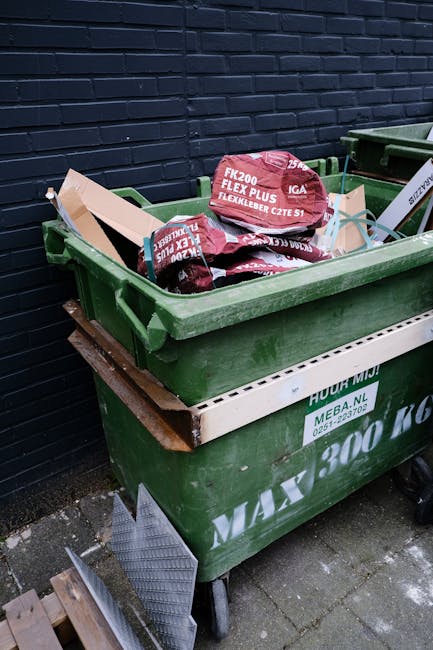
If you live in or around Fortune Green, rubbish tends to build up in the most ordinary ways: a wardrobe that finally gives up the ghost, a flat clearance after a move, garden bags left after a tidy-up, or builder's waste that somehow takes over the hallway overnight. Fortune Green rubbish clearance services locals need to know are the kind of practical help that saves time, reduces stress, and keeps your home or premises moving smoothly. And to be fair, when waste becomes a real-life nuisance, you want a service that is straightforward, careful, and properly organised.
This guide explains how local rubbish clearance works, what to expect, where the common pitfalls are, and how to make a sensible choice without overcomplicating it. If you want the broad picture first, it can also help to skim the wider services overview and the practical notes on recycling and sustainability before you book anything.
Let's get into the details that actually matter.
Why Fortune Green rubbish clearance services locals need to know Matters
Fortune Green is one of those London neighbourhoods where space is valuable and expectations are high. A full black bag on the wrong morning, a broken sofa left in a communal hallway, or renovation rubble stacked too long outside can quickly turn into a problem for you, your neighbours, or both. Rubbish clearance is not just about "getting rid of stuff"; it is about keeping a property usable, safe, and decent for everyone involved.
That local relevance matters because many households and businesses in the area face the same pattern: compact homes, limited storage, busy streets, and not much appetite for lingering clutter. If you have ever tried to shuffle a bulky item down a narrow staircase while trying not to chip the wall, you will know exactly what I mean. Some jobs need proper removal, not a heroic weekend attempt with a car boot and a prayer.
There is also the trust side. A reliable clearance service should be clear about what they take, how they sort items, what happens to reusable goods, and how they handle waste responsibly. That is why nearby residents often compare general waste removal with more specific services like waste removal in West Hampstead or even the more focused rubbish collection option when they want something regular or one-off without fuss.
Expert summary: if the waste is bulky, mixed, awkward, or time-sensitive, a local clearance service usually makes more sense than trying to piece it together yourself. If the job is small and routine, collection may be enough. The right answer depends on volume, access, timing, and how much lifting you want to avoid. Simple, really.
How Fortune Green rubbish clearance services locals need to know Works
Most rubbish clearance jobs follow a fairly clear pattern, even if the exact details vary by provider. First, you describe the waste. Then someone assesses the amount, access, and type of material. After that comes a quote or estimate, followed by collection, loading, and disposal or sorting for reuse and recycling.
In practical terms, here is what that may look like on the day:
- You send photos or explain the items: bags, furniture, appliances, garden waste, or mixed rubbish.
- The provider checks what can be cleared safely and whether any items need special handling.
- A price is agreed, ideally before anything is moved.
- The team arrives, often with the right lifting equipment and a suitable vehicle.
- Items are removed from the property, often from a flat, loft, basement, office, or garden.
- Waste is sorted for reuse, recycling, or disposal in line with normal UK practice.
For larger or more structured jobs, people sometimes choose a broader clearance route, such as house clearance in West Hampstead or office clearance, especially when the waste is tied to a move, bereavement, tenancy change, or business refit. Builder-led jobs are different again, which is why services such as builders waste disposal exist separately.
One thing locals often appreciate: the service should adapt to the access, not the other way round. Fortune Green properties may have tight stairwells, shared entrances, parking awkwardness, or loading restrictions. A good clearance plan works with that reality instead of pretending it doesn't exist.
Key Benefits and Practical Advantages
There are obvious benefits to rubbish clearance, but the real value is often in the details. Once the clutter goes, everything feels more manageable. That sounds vague until you are standing in a room that was full of old furniture an hour earlier. Then it suddenly feels like a different place.
Time saved
Sorting, bagging, lifting, loading, driving, unloading, and disposing can eat an entire day or more. A structured clearance service compresses all of that into a single visit or a small number of visits. For busy households and landlords, that is a major win.
Less physical strain
Bulky waste is awkward. Mattresses, cabinets, broken appliances, garden cuttings, and construction offcuts are often heavier or more cumbersome than they look. Using a proper team reduces the risk of injury and accidental damage to walls, stair rails, lifts, and doorframes.
Cleaner, calmer spaces
Clutter has a habit of multiplying in your head before it even multiplies on the floor. Once items are removed, the space becomes easier to clean, easier to rent, and easier to live in. That is especially useful for landlords, estate agents, and homeowners preparing for photos, viewings, or works.
Better recycling outcomes
A responsible provider should separate materials where possible. Metal, wood, cardboard, green waste, and some electrical items may follow different handling routes. The aim is not just removal, but sensible sorting. That matters if you care about waste being dealt with properly rather than simply vanishing into a black hole. Which, let's face it, is what some people secretly hope for.
More predictable costs
When waste is assessed properly, you can usually avoid surprise charges later. This is one reason clear photos and honest descriptions help so much. The more accurate the brief, the less room there is for awkward conversations on the doorstep.
Who This Is For and When It Makes Sense
Rubbish clearance is not just for "big clear-outs". In Fortune Green, it often suits a mix of everyday situations.
- Homeowners clearing old furniture, loft clutter, or post-renovation debris.
- Renters who need to leave a property clean and ready at the end of a tenancy.
- Landlords dealing with leftover items after tenant moves or property refreshes.
- Estate agents and property managers who need a place cleared quickly for listing or handover.
- Offices and small businesses getting rid of desks, filing, packaging, and outdated equipment.
- Garden owners with hedge trimmings, soil, branches, and other green waste.
- Builders and decorators who need leftover materials moved off-site efficiently.
It makes sense whenever the waste is too much for normal bins, too awkward for a personal vehicle, or simply too time-sensitive to handle slowly. It also makes sense when the mess is becoming the project, if you know what I mean.
People also often notice that clearance becomes urgent during life changes: moving house, inheritance matters, downsizing, business closures, or renovation deadlines. In those moments, the calmest option is usually the one that removes the pressure quickly and sensibly.
Step-by-Step Guidance
If you want a smoother experience, a little preparation goes a long way. Here is a practical way to handle a clearance in Fortune Green without overthinking it.
- Sort the waste into broad groups. Separate furniture, general rubbish, garden waste, electrical items, and anything sensitive or potentially hazardous. You do not need museum-level precision; just enough to make the job clearer.
- Take clear photos. Capture the full amount, plus any awkward access points like stairs, narrow hallways, basements, or rear gardens.
- List the things you definitely want gone. If a sofa is staying but the chair is not, say so. Tiny confusion now can become a bigger headache later.
- Ask what is included in the quote. Loading, labour, disposal, recycling, parking considerations, and VAT if relevant should all be understood before the job starts.
- Confirm access and timing. Lift availability, parking space, neighbour restrictions, and building rules can matter more than people expect.
- Move valuables or personal documents out of the way. It is a basic step, but an important one.
- Be present if you can. You do not need to hover, but being available helps resolve questions quickly.
- Check the cleared area afterwards. A quick walkthrough catches small forgotten items, loose screws, or debris tucked behind heavier furniture.
A useful habit, especially for flats and shared buildings, is to plan your route in and out before the team arrives. Sounds obvious. Yet somehow this is the step people forget when the hallway is crowded and everyone is a bit tense.
Expert Tips for Better Results
After enough clearances, a few patterns become very obvious. The best jobs are rarely the ones with the least waste. They are the ones where expectations are clear and the access is thought through in advance.
1. Photograph more than you think you need. One picture of a room rarely tells the whole story. Wide shots, close-ups, and stairwell images all help.
2. Be honest about mixed waste. If there are broken tiles, plaster offcuts, paint tins, and old shelving in the same pile, say so upfront. Mixed loads can change the handling requirements.
3. Ask about reuse and recycling. Even if you do not need a lecture on sorting, it is reassuring to know usable items will not be treated like landfill by default.
4. Plan around building realities. In older streets and flats, parking and access are often the hidden difficulty. An experienced team will already expect that, but your information helps.
5. Keep hazardous materials separate. Paints, chemicals, gas cylinders, asbestos-containing materials, and some electrical items may need specialist attention. Do not tuck them into a general pile and hope for the best.
6. Use clearance to reset the space properly. Once the rubbish is gone, take the opportunity to clean corners, check for damp, and repair minor damage. It is far easier then than later.
One more thing: if the job is for a property you are about to sell, let the clearer know. A lot of people read the room better when they know the end goal is a sale, a letting, or a handover. For a broader local property angle, these reads on Hampstead as a residential choice and modernity and tradition in Hampstead are useful context for why presentation matters in nearby neighbourhoods.

Common Mistakes to Avoid
The most expensive rubbish clearance mistakes are usually the boring ones. Not dramatic. Just annoying.
- Underestimating volume. What looks like "a few items" can become a full load once everything is taken out of cupboards and sheds.
- Forgetting access issues. A tight staircase, no parking, or a lift that is out of service can change the whole job.
- Mixing problem waste into general waste. Some materials need special handling. Do not hide them in with the rest.
- Booking too late. If you are on a deadline, last-minute arrangements can narrow your options.
- Not checking what the quote covers. A price that sounds low can become less attractive if it excludes labour, waiting time, or certain item types.
- Skipping a final sweep. People leave chargers, documents, small ornaments, or tools behind all the time. All the time.
There is also a softer mistake: choosing purely on speed and forgetting trust. Rubbish removal is a service that enters your property, your flat, or your workplace. You want people who behave carefully, communicate clearly, and treat the job like more than a quick lift-and-shift.
Tools, Resources and Recommendations
You do not need specialist equipment for a standard clearance, but a few simple tools and habits make life easier.
- Phone camera for photos and before/after records.
- Sticky labels or marker pens for marking keep, donate, or remove.
- Strong bags or boxes for loose items that would otherwise spread everywhere.
- Gloves and sturdy shoes if you are sorting items in advance.
- Measuring tape for bulky furniture that may need to be carried through tight spaces.
- Notebook or checklist if the clearance is part of a bigger move or refurbishment.
For planning and decision-making, the most helpful internal resources are usually the ones that explain how the company works, how payment is handled, and how safety is treated. These are worth reading alongside any quote: pricing and quotes, payment and security, and insurance and safety.
If your job is outdoor-heavy, the specialised route matters too. Garden trimmings, soil, branches, and seasonal waste are not always best handled as generic rubbish. In that case, the garden waste removal service may be the cleaner fit.
Law, Compliance, Standards, or Best Practice
You do not need to become a waste-law expert to arrange a clearance, but a sensible provider should still work in line with UK waste-handling expectations and duty-of-care principles. In plain English, that means waste should be transported and disposed of responsibly, and anyone handling it should know what they are doing.
For residents and businesses, the key best-practice questions are simple:
- Is the waste being taken away by a legitimate operator?
- Are recyclable materials being separated where possible?
- Are restricted items being handled properly?
- Is the service clear about what it can and cannot take?
- Is there a sensible process for safety and access?
Special care is needed for electrical goods, confidential paperwork, and anything potentially hazardous. Office clearances often involve documents, monitors, printers, and mixed waste streams, which is why a dedicated office clearance approach can be more appropriate than a general tidy-up.
Compliance also extends to practical things like parking, landlord permissions, building rules, and neighbour courtesy. It might sound mundane, but these are exactly the points that make a clearance feel smooth rather than chaotic. If you are comparing providers, their published approach to sustainability and ethics can also tell you a lot, so it is worth a look at the company's own modern slavery statement and its privacy policy when you want a better sense of how carefully they operate.
Options, Methods, or Comparison Table
Different waste problems call for different approaches. Here is a simple comparison to help you choose.
| Option | Best for | Strengths | Trade-offs |
|---|---|---|---|
| General rubbish clearance | Mixed household or business waste | Flexible, fast, handles varied loads | May not suit specialist waste types |
| Rubbish collection | Smaller, regular, or simpler loads | Straightforward and usually quick | Less suitable for bulky or complex jobs |
| Waste removal | Ongoing or larger-scale waste needs | Broad coverage and useful for varied waste | May need more detail in the brief |
| House clearance | Whole rooms, flats, or full properties | Ideal for moves, probate, or downsizing | Can be overkill for tiny jobs |
| Builders waste disposal | Renovation debris and construction leftovers | Better suited to heavy, messy materials | Needs clear separation from general rubbish |
If you are unsure which route to choose, start with the shape of the job rather than the name of the service. Are you clearing a room, a property, a garden, or a worksite? That answer usually points you in the right direction.
Case Study or Real-World Example
A typical Fortune Green scenario might look like this. A couple is moving out of a first-floor flat and has a broken sofa, a disassembled bed, several bags of mixed clutter, and a stack of old kitchen items they no longer want to drag into the next home. They also have a narrow staircase, a shared entrance, and limited parking on the street.
Rather than trying to manage it over several trips, they send clear photos, list the bulky items, and mention the access issues in advance. That lets the clearance team arrive with the right vehicle, estimate the load more accurately, and plan the lift without blocking the hallway for half the morning. The result is less disruption, fewer back-and-forth conversations, and a much quicker handover of the property.
That is the real beauty of a proper clearance service. The job is still the same waste at the end of the day, but the whole experience feels lighter, calmer, and more controlled. And if you are working to a deadline, that calm is worth a lot.

Practical Checklist
Use this before booking Fortune Green rubbish clearance services locals need to know:
- Confirm what items need removing.
- Separate obvious specialist waste from general rubbish.
- Take wide and close-up photos.
- Measure bulky furniture if access is tight.
- Check parking or loading restrictions.
- Ask what the quote includes.
- Clarify whether recycling is part of the process.
- Keep valuables and documents out of the way.
- Decide whether you need house, office, garden, or builders clearance.
- Plan for a quick final inspection after the job.
If you are handling something time-sensitive, it can also help to read about the West End Lane rubbish removal guide for West Hampstead, since the practical access issues and local street realities often overlap in nearby parts of the area.
Conclusion
Fortune Green rubbish clearance services locals need to know are really about more than clearing a pile. They are about making a home, flat, office, or garden workable again without stress, guesswork, or messy surprises. When the service is well planned, the difference is obvious: more space, less pressure, and a far smoother day overall.
The smartest approach is usually the simplest one. Know what needs removing, describe it clearly, check what is included, and choose the service type that fits the job rather than forcing everything into one category. Small steps, properly handled, save a lot of bother later. That is usually true in London, and probably everywhere else too.
Get a free quote today and see how much you can save.
And if you are still weighing up the right route, keep it practical, keep it honest, and trust the version that feels calmest to live with.

Copyright © . House Clearance West Hampstead. All Rights Reserved.